
For an old school, computer-resistant business owner, it’s got to be frustrating. After years of nudging from employees, friends and family, they’ve finally hired someone to create a rudimentary website. But as soon as that’s done, people are complaining that they can’t access it on their smartphones.
What’s a business owner to do?
The bottom line? We’re moving toward a world where computers mimic the ease and usability of devices — not the other way around.
I know two owners of a restaurant who recently hired one of their friends to design their mobile website. He used an online template service and put together a killer looking site in just a day or two. The problem? It’s completely Flash-based, meaning that it can’t be viewed on an iPad. That’s a deal-killer for a restaurant’s mobile customers.
Whether you’re a beginner or just checking to make sure you’re up-to-speed, here are the basics to ensure that your business is prepared for the coming shift — when more people access the internet via mobile devices than with traditional computers.
1. Optimize Your Website for Mobile
You have several options for this, many of which have been previously discussed on the 60 Second Marketer. Many hosts and template platforms like HubSpot already offer mobile conversion and optimization, but it’s important that you check. If you’ve never done it, open up your website on both an Apple and an Android phone and/or tablet. Is everything accessible? For example, if your website has PDF downloads of rate sheets, you may even consider duplicating these on your site as text to simplify viewing.
Likewise, too many tabs or large, slow-loading photographs can lead potential viewers to back away from your site before ever seeing it. Keep it simple so it can work fast. Furthermore, different browsers on our devices view sites differently. If you’re reaching Apple users properly but not Android users, make a point to prioritize a fix immediately.
2. Consider an App
If your site experiences significant traffic because it offers a useful tool or information that people seek out, consider creating a unique app. This isn’t worthwhile for everyone. For example, if you’re a boutique firm that caters to a handful of large clients, a dedicated app may do little to serve your business. On the other hand, an app can serve as a simple place to consolidate all of your latest news, deals and social media outreach. Online services like AppMakr, Shoutem and Bizness Apps are among dozens of DIY app builders online, and most qualified web designers are now well-versed in personalized app creation as well.
3. Social, Social, Social
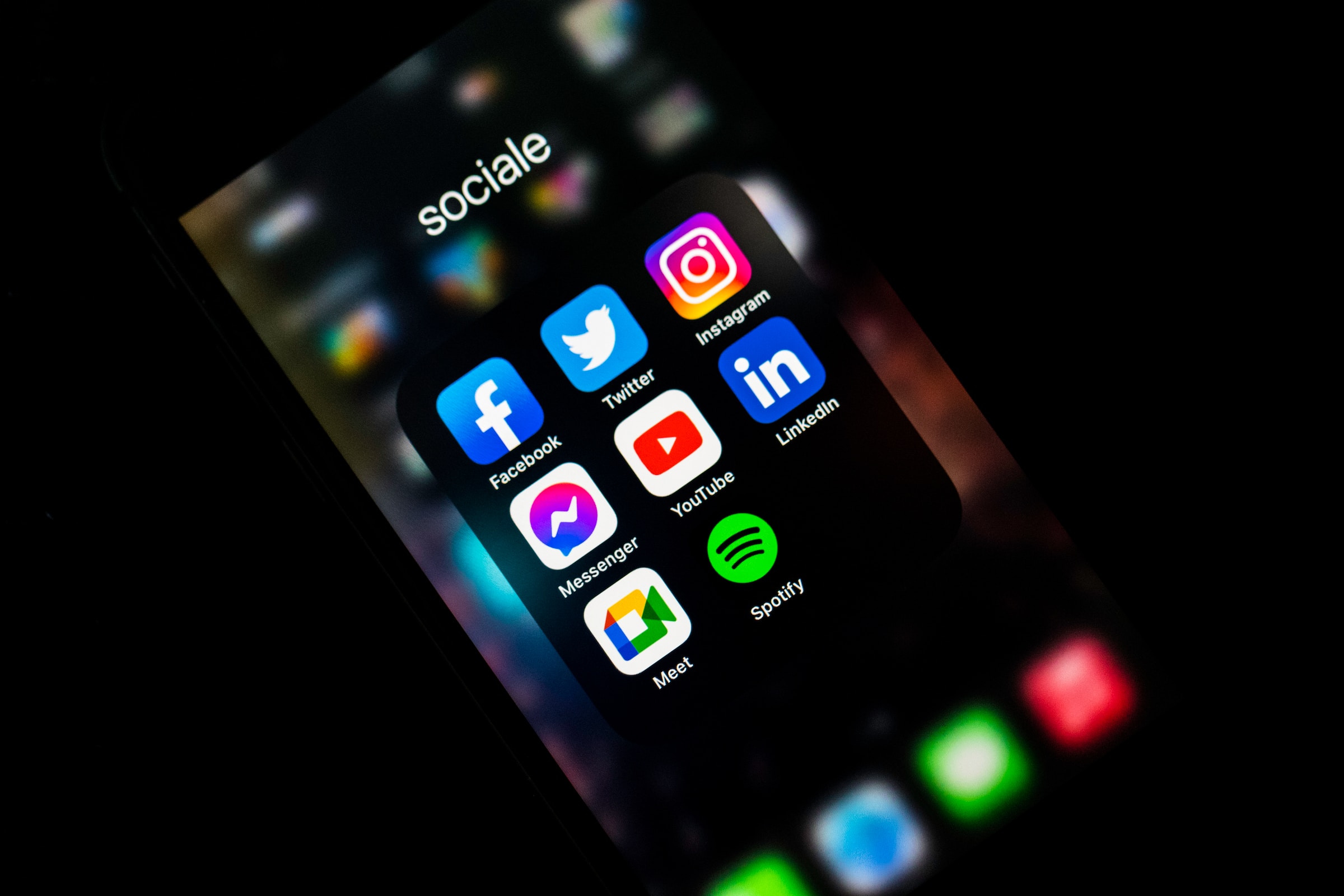
What’s the best thing about Facebook, Twitter, Pinterest and their ilk? Everything is already built in. From a quality looking template to millions of potential users who already understand the layout, social media offers business owners who know how to utilize it the best chance to reach customers through their mobile devices. Although updating your company’s news feeds and Tweets can feel like a chore, remember that you’re able to do it from your phone! You can work from anywhere, so when inspiration strikes, Tweet away.
Most importantly, don’t let your social media stream become a constant series of plugs for services and products. Comment on news stories that relate to your business or interest you personally. Ask questions. Social media marketing is about engaging — not directly selling. With the conversation at your fingertips, stay involved and foster the creation of a community at your business’s page.
4. Text Away
Not long ago, a friend forwarded me a text about a grocery store that was giving away $10 of free groceries for $10 spent. All I had to do was text my number to a code set up by the store. I gladly entered, and now I get a text several times a week offering me a free carton of milk or a free watermelon, for example, when I come in and spend $10 or $20 that day. I never feel like I’m being spammed because the deals are so good. If it came to my email, I might overlook it until later on, even on my phone, and miss the deal on my way home. People are very protective of their phone numbers, but if you offer customers a terrific deal and the trust that you won’t pass their number along, it’s possible to tap into one of the fastest growing marketing methods — even for customers without a smartphone. (For more on this topic, check out “How to Attract Local Customers to Your Business with Mobile.”)
Of course, if you’re already mobile and brainstorming digital coupon ideas, don’t forget QR codes as an increasingly relevant and effective method as well.
Get creative! What frustrations have you encountered while trying to take your business mobile? Which ideas have been most effective for your company?
About the Author: Christopher Wallace is Vice President of Sales and Marketing for Amsterdam Printing, one of the nation’s largest providers of promotional products for businesses large and small. Amsterdam specializes in custom pens and other promotional items such as calendars, laptop bags and T-shirts.


Thursday, August 23rd, 2012, 7:46 pm |